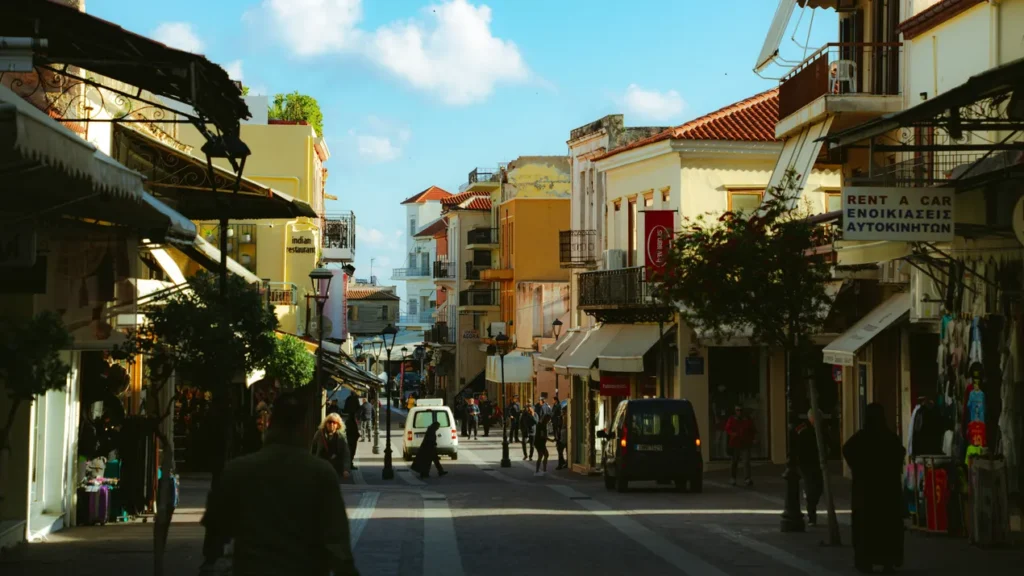
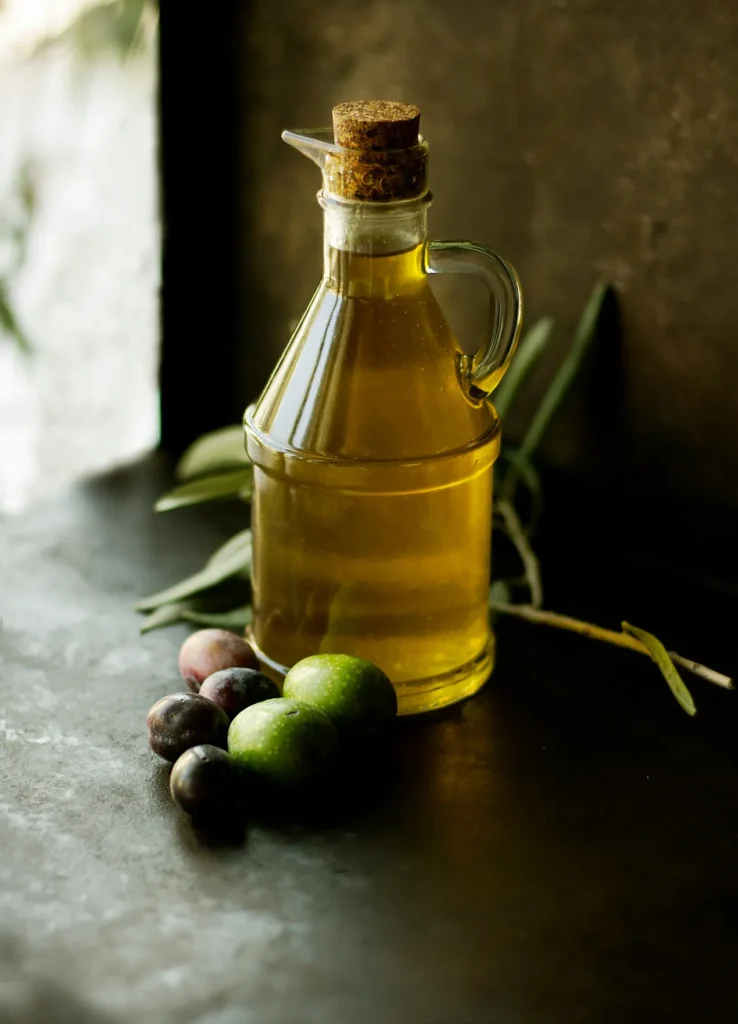
Όταν οι Έλληνες μιλάνε για το ελαιόλαδομιλάνε για την Κρήτη με τον ίδιο τρόπο που οι λάτρεις του κρασιού μιλούν για τη Βουργουνδία. Το νησί παράγει γύρω του ενός τρίτου του ελαιόλαδου στην Ελλάδα, και η Ελλάδα είναι ο μεγαλύτερος παραγωγός έξτρα παρθένου ελαιολάδου στον κόσμο. Κάντε την αριθμητική και θα αρχίσετε να καταλαβαίνετε γιατί το κρητικό ελαιόλαδο βρίσκεται στην κορυφή της παγκόσμιας τροφικής αλυσίδας.
Αλλά γνωρίζοντας ότι το κρητικό ελαιόλαδο είναι εξαιρετικό και γνωρίζοντας το γιατί — και το πιο σημαντικό, το να ξέρεις πώς να το επιλέξεις και πού να αγοράσεις το αληθινό πράγμα — είναι πολύ διαφορετικά πράγματα. Αυτός ο οδηγός καλύπτει όλα όσα χρειάζεστε πριν μπείτε σε ένα κατάστημα ή πάγκο αγοράς.
Γιατί το Κρητικό ελαιόλαδο είναι διαφορετικό
Η κορωνέικη ποικιλία
Σχεδόν όλο το ελαιόλαδο που παράγεται στην Κρήτη προέρχεται από μια ποικιλία ελιάς: την Κορωνέικη. Είναι μια μικρή ελιά - μόλις στο μέγεθος ενός σταφυλιού - και παράγει πολύ λιγότερο λάδι ανά δέντρο από τις μεγαλύτερες ποικιλίες που καλλιεργούνται αλλού στη Μεσόγειο. Αλλά αυτό που του λείπει σε απόδοση το αντισταθμίζει περισσότερο σε ποιότητα.
Οι ελιές Κορωνέικης έχουν εξαιρετικά υψηλή περιεκτικότητα σε πολυφαινόλες — τις φυσικές αντιοξειδωτικές ενώσεις που δίνουν στο καλό εξαιρετικό παρθένο ελαιόλαδο τη χαρακτηριστική πιπεράτη μπουκιά του και τις περισσότερες από τις υγιεινές του ιδιότητες. Μελέτες που συνέκριναν παραδοσιακά παραγόμενο κρητικό ελαιόλαδο με εμπορικά ισπανικά, ιταλικά και ελληνικά έλαια έχουν βρει ότι τα κρητικά δείγματα έχουν περίπου 15% υψηλότερη αντιοξειδωτική ικανότητα και έως και 60% υψηλότερη περιεκτικότητα σε πολυφαινόλες. Αυτή δεν είναι μια οριακή διαφορά. Αυτό είναι μια διαφορετική κατηγορία προϊόντων.
Το Κρητικό Κλίμα και Έδαφος
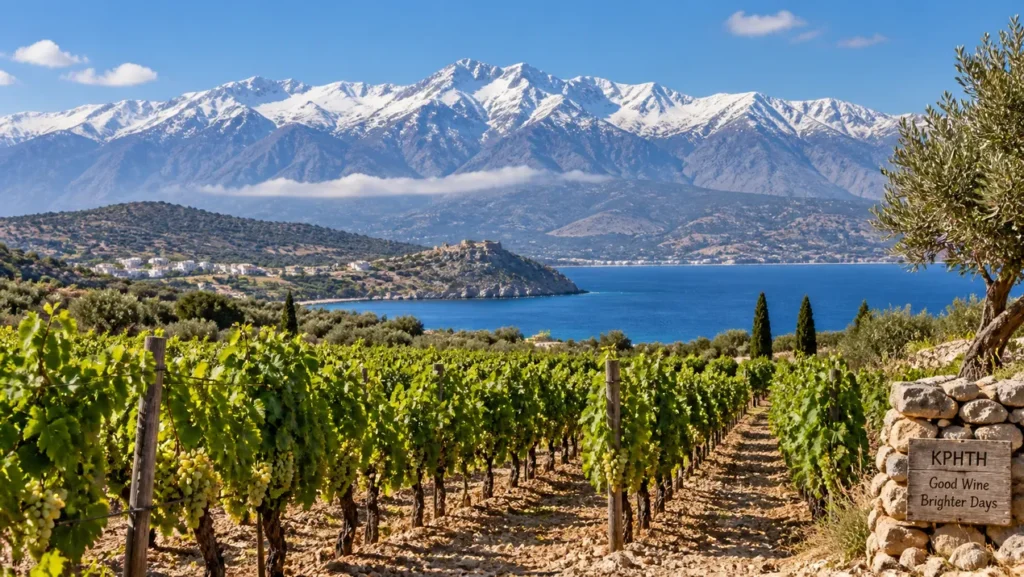
Τα ελαιόδεντρα ευδοκιμούν στις αντιξοότητες - λεπτό, βραχώδες έδαφος, ξηρά καλοκαίρια, έντονος ήλιος. Η Κρήτη παρέχει και τα τρία σε αφθονία. Ο συνδυασμός του πλούσιου σε μεταλλεύματα εδάφους του νησιού, των μακρών ξηρών καλοκαιριών και του μεσογειακού κλίματος δημιουργεί συνθήκες στις οποίες η κορωνέικη ελιά αναπτύσσει μια ασυνήθιστα υψηλή συγκέντρωση ευεργετικών ενώσεων. Τα δέντρα που δυσκολεύονται λίγο παράγουν καλύτερο λάδι από τα δέντρα που καλλιεργούνται σε πλούσιο, αρδευόμενο έδαφος.
Πολλά από τα ελαιόδεντρα που παράγουν λάδι σήμερα στη δυτική Κρήτη είναι εκατοντάδων ετών. Κάποιοι είναι μεγαλύτεροι. Κοντά στο χωριό Βούβες στο νομό Χανίων —σε μικρή απόσταση με το αυτοκίνητο από το Κολυμβάρι— υπάρχει αυτή που πιστεύεται ότι είναι μία από τις παλαιότερες ελιές στον κόσμο, που υπολογίζεται σε ηλικία μεταξύ 2.000 και 4.000 ετών. Παράγει ακόμα ελιές.
80–90% Έξτρα Παρθένο
Ακολουθεί ένα στατιστικό στοιχείο που βάζει τα πάντα σε προοπτική: στις περισσότερες ελαιοπαραγωγικές χώρες, μεταξύ 50-60% του παραγόμενου λαδιού πληροί τα πρότυπα για ταξινόμηση έξτρα παρθένου. Στην Κρήτη, αυτός ο αριθμός είναι 80-90%Η συντριπτική πλειοψηφία του κρητικού ελαιολάδου είναι εξαιρετικά παρθένο εκ φύσεως — όχι λόγω τεχνικών επεξεργασίας, αλλά λόγω της ποικιλίας, του κλίματος και του τρόπου καλλιέργειάς του.
Κατανόηση των ετικετών ΠΟΠ και ΠΓΕ
Όταν βλέπετε αυτά τα γράμματα σε ένα μπουκάλι ελαιόλαδο, έχουν σημασία:
ΠΟΠ – Προστατευόμενη Ονομασία Προέλευσης σημαίνει ότι το λάδι παρήχθη, επεξεργάστηκε και εμφιαλώθηκε σε μια συγκεκριμένη ονομαζόμενη περιοχή, χρησιμοποιώντας παραδοσιακές μεθόδους και πληρώντας αυστηρά ποιοτικά κριτήρια. Για το κρητικό ελαιόλαδο, οι κύριες ζώνες ΠΟΠ είναι Το Κολυμπάρι (στο νομό Χανίων), στη Σητία, στη Μεσσαρά, και στο Σέλινο. Η ΠΟΠ Κολυμβαρίου — που παράγεται στους ελαιώνες της βορειοδυτικής Κρήτης — είναι από τις πιο αναγνωρισμένες και βραβευμένες διεθνώς.
ΠΓΕ – Προστατευόμενη Γεωγραφική Ένδειξη είναι μια ελαφρώς ευρύτερη κατηγορία. Το 2025 το κρητικό ελαιόλαδο απέκτησε νέο σε όλο το νησί ΠΓΕ «Κρήτη» πιστοποίηση, θέτοντας ελάχιστα πρότυπα ποιότητας για όλα τα εξαιρετικά παρθένα λάδια που παράγονται και εμφιαλώνονται στο νησί.
Πρακτικά: εάν ένα μπουκάλι φέρει ετικέτα ΠΟΠ με ονομαστική περιοχή, έχει επαληθευτεί ανεξάρτητα για την ποιότητα και την προέλευση. Εάν η ετικέτα λέει μόνο «προϊόν Ελλάδας» χωρίς πιστοποίηση, μπορεί να κρατάτε κάτι ανάμεικτο ή εκλεπτυσμένο.
Πώς να διαβάσετε την ετικέτα
Πριν αγοράσετε, ελέγξτε τα εξής:
- “Έξτρα Παρθένο” — την υψηλότερη ποιοτική ταξινόμηση. Οτιδήποτε φέρει την ένδειξη «αγνό ελαιόλαδο», «ελαφρύ ελαιόλαδο» ή απλά «ελαιόλαδο» έχει εξευγενιστεί και δεν έχει τις ιδιότητες γεύσης και υγείας του EVOO.
- Ημερομηνία συγκομιδής — το ελαιόλαδο υποβαθμίζεται με την πάροδο του χρόνου. Αναζητήστε μια πρόσφατη ημερομηνία συγκομιδής, όχι απλώς μια ημερομηνία «ανάλωση κατά προτίμηση πριν από».
- Σκούρο γυάλινο μπουκάλι ή μεταλλικό κουτί — το φως καταστρέφει το ελαιόλαδο. Ποιοτική φιάλη παραγωγών σε σκούρο γυαλί ή μεταλλικά κουτιά. Το διαφανές γυαλί είναι ένα προειδοποιητικό σημάδι.
- Επίπεδο οξύτητας — το έξτρα παρθένο πρέπει να είναι κάτω από 0,8%· τα καλύτερα κρητικά ελαιόλαδα έχουν συνήθως περιεκτικότητα 0,2–0,3%. Χαμηλότερη οξύτητα σημαίνει πιο προσεκτικό χειρισμό και νωρίτερη συγκομιδή.
- Ψυχρής έκθλιψης — εκχυλίζεται χωρίς θερμότητα, διατηρώντας τη γεύση και τις θρεπτικές ιδιότητες.
Πώς να το χρησιμοποιήσετε
Στην Κρήτη, το ελαιόλαδο χρησιμοποιείται παντού:
- Στο ψωμί — βουτάμε το καλό ψωμί σε ελαιόλαδο με λίγο θαλασσινό αλάτι. Αυτό είναι ήδη ένα γεύμα.
- Στη σαλάτα — μια σωστή κρητική σαλάτα ντύνεται μόνο με έξτρα παρθένο ελαιόλαδο και λίγο λεμόνι. Χωρίς ξύδι, χωρίς γαλακτωματοποιημένα σάλτσες.
- Σε βραστά λαχνικά και χόρτα — τα χόρτα (άγρια χόρτα) ολοκληρώνονται με ελαιόλαδο και λεμόνι. Το λάδι είναι το πιάτο, όχι ένα καρύκευμα.
- Στο μαγείρεμα —Οι Κρητικοί μάγειρες τηγανίζουν, και ψήνουν με αυτό. Η υψηλή περιεκτικότητα σε πολυφαινόλες του δίνει εξαιρετική θερμική σταθερότητα σε σύγκριση με τα σπορέλαια.
- Στο τυρί — το περιχύνουμε σε γραβιέρα ή φρέσκο ανθότυρο. Ένας συνδυασμός που δεν θα ξεχάσετε.
Πού να αγοράσετε κρητικό ελαιόλαδο κοντά στα Χανιά
Στην Αγορά των Χανίων
Η αγορά στο κέντρο των Χανίων πουλά ελαιόλαδο από πολλούς παραγωγούς, συμπεριλαμβανομένων τοπικών φιαλών μικρής παρτίδας που δεν θα βρείτε στα σούπερ μάρκετ. Ρωτήστε τον ιδιοκτήτη του πάγκου για την καταγωγή — οι καλοί θα σας πουν ακριβώς από ποιο χωριό προήλθε. Δείτε τον πλήρες μας οδηγό Αγόρας Χανίων.
Biolea – Άστρικας, Κολυμπάρι
Ένας από τους πιο σεβαστούς παραγωγούς βιολογικού ελαιολάδου στην Κρήτη. Biolea χρησιμοποιεί παραδοσιακή συμπίεση μυλόπετρας στο κτήμα τους στον Αστρίκα, παράγοντας λάδι με εξαιρετική γεύση και την υψηλότερη κατακράτηση πολυφαινολών. Καλωσορίζουν τους επισκέπτες για περιηγήσεις στον μύλο και διαθέτουν εστιατόριο στις εγκαταστάσεις. Αν θέλετε να καταλάβετε τι είναι στην πραγματικότητα το κρητικό ελαιόλαδο, μια ώρα στο Biolea είναι η καλύτερη εκπαίδευση που μπορείτε να πάρετε. Περίπου 30 λεπτά δυτικά των Χανίων, κοντά στο Κολυμπάρι.
Terra Creta – Κολυμβάρι
Ένας από τους πιο διεθνώς αναγνωρισμένους παραγωγούς της Κρήτης, Terra Creta παράγει βραβευμένο ελαιόλαδο ΠΟΠ από ελιές Κορωνέικης συγκομιδής και ψυχρής έκθλιψης επιτόπου εντός ωρών. Με έδρα το Κολυμβάρι, το λάδι τους εξάγεται παγκοσμίως — αλλά η αγορά του στην πηγή είναι μια διαφορετική εμπειρία. Το ίδιο το χωριό Κολυμβάρι αξίζει να επισκεφθείτε για τη θέα στο μοναστήρι και τη θάλασσα.
Αγροτικός Συνεταιρισμός Χανίων – ΠΟΠ Κολυμβαρίου
Το Ο Αγροτικός Συνεταιρισμός Χανίων – ΠΟΠ Κολυμβαρίου παράγει το γνωστό ελαιόλαδο ΠΟΠ Κολυμβαρίου, πωλείται σε σούπερ μάρκετ σε όλη την Ελλάδα και εξάγεται διεθνώς. Μια αξιόπιστη, υψηλής ποιότητας επιλογή σε δίκαιη τιμή. Διατίθεται στα περισσότερα μεγάλα σούπερ μάρκετ στην περιοχή των Χανίων.
Παμάκο – Σελίνο, Νομός Χανίων
Για κάτι εξειδικευμένο, στο Παμάκο παράγουν βιολογικό ελαιόλαδο από τη σπάνια Τσουνάτη ποικιλία — μια αρχαία κρητική ελιά με μινωική προέλευση και επίπεδα πολυφαινόλης που σπάνε ρεκόρ. Έντονα αρωματισμένο και ακριβό, αλλά εξαιρετικό. Διατίθεται σε εξειδικευμένα καταστήματα τροφίμων στα Χανιά.
Taking It Home
Good Cretan olive oil is one of the best things you can pack in your luggage — legal in any quantity within the EU, and a well-sealed tin or dark glass bottle travels without issue.
A few practical notes:
- Tins travel better than glass — no breakage risk in checked luggage
- Buy at the source or the market rather than at the airport — better selection, lower prices
- A 5-litre tin is a serious souvenir: it will last a family several months and genuinely change how you cook at home
Συνεχίστε την εξερεύνηση της γαστρονομικής σκηνής των Χανίων
- Chania Municipal Market – Your Complete Visitor’s Guide
- Τα καλύτερα εστιατόρια στα Χανιά – Πού να φάτε σαν ντόπιος
- Galatas Village Guide – Hidden Gem Near Chania
Τελευταία ενημέρωση: Μάιος 2026